Products
- Home
- Products
- Tamarind
Contact Us: +91 7795953756 | +91 8904680366

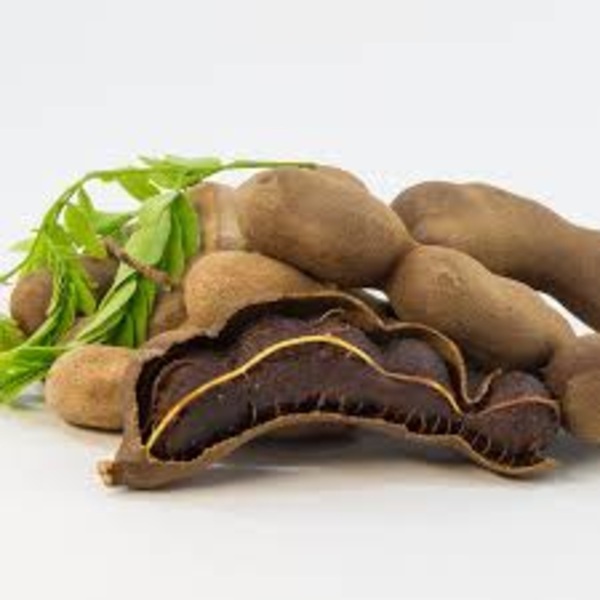

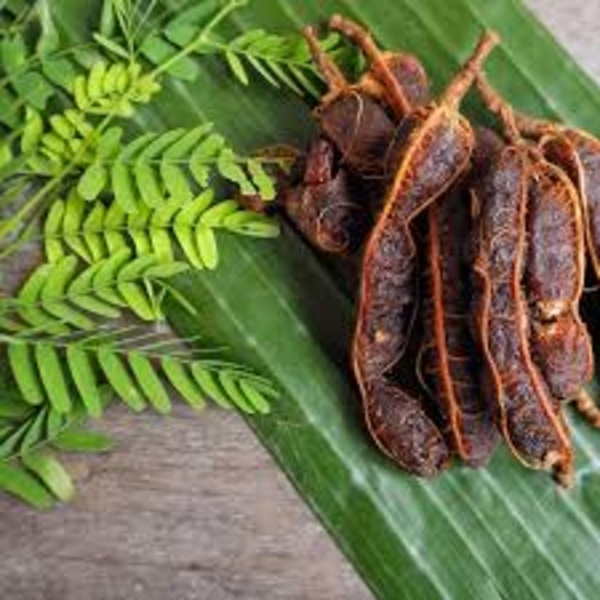
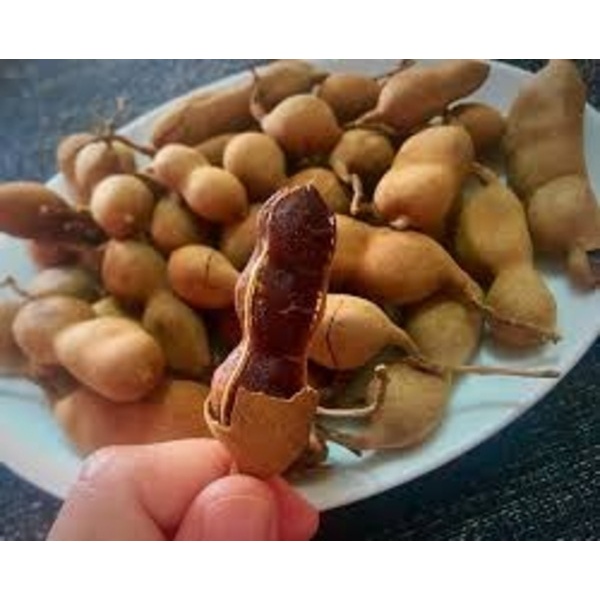
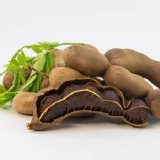
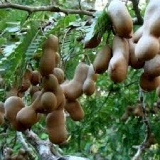

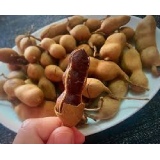
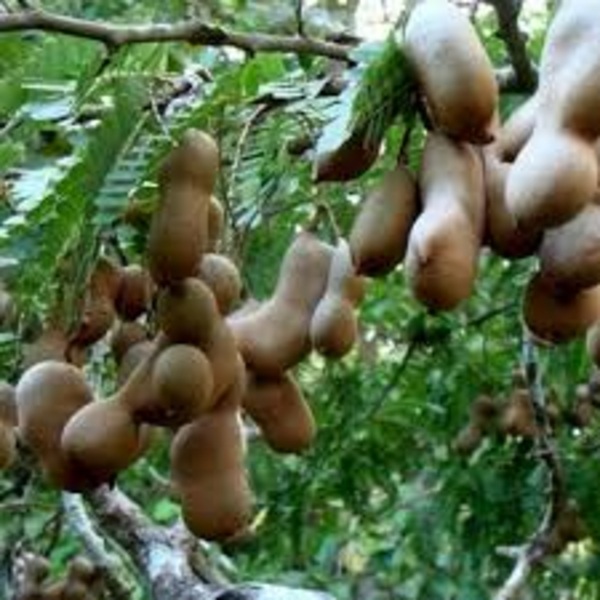
Tamarind is a long, curved fruit pod from the Tamarindus indica tree, containing a sticky, brown, acidic pulp around seeds. The pulp is used in cooking for its tangy, sweet-sour flavor and is a source of vitamins, minerals, and antioxidants. The tree is a versatile, subtropical evergreen with applications ranging from food and medicine to wood, and it is known for its drought resistance and use as a windbreak.
Appearance: The fruit is a long, curved pod with a hard, brown shell that encloses a sticky, brownish pulp.
Flavor: The pulp is a popular culinary ingredient due to its tart, tangy, and slightly sweet flavor.
Nutritional content: The pulp is a source of (vitamins), minerals (potassium, magnesium, calcium), and antioxidants. It also contains fiber and protein.
Uses: The pulp is used in savory dishes like curries and chutneys, as well as in sweet candies and beverages. It is also used as a preservative and in pickles.
Flavor: Appearance: The tamarind tree is a long-lived, slow-growing, and highly wind-resistant evergreen that can reach a height of 20-30 meters.
Wood: The dark, hard, and durable wood is used for making furniture, agricultural tools, and other carpentry items.
Leaves and bark: The leaves and bark are rich in tannin, which can be used for fixing dyes or in inks.
Seeds: The seeds contain a polysaccharide called jellose, which can be used as a substitute for fruit pectins, and an oil suitable for making paints and varnishes.
Other uses: The tree is planted for shade, as a windbreak, and for erosion control. It also provides habitat for wildlife.
Flavor and spice: Origin: The tree is native to tropical Africa but is now cultivated widely across the tropics and subtropics.
Growing conditions: It prefers warm climates and is well-suited to semi-arid regions, thriving in a variety of soils, including those that are saline, alkaline, or gravelly.
Climate: It is sensitive to frost.
Variations: Specifications can vary between manufacturers and grades.
Milling: The milling degree (single or double polished) is also a specification.
Packaging: Packaging options, such as BOPP, jute, or PP bags, are also specified by suppliers
You can check the related products.
Call: General Manager - Mallappa +91 7795953756 / +91 8904680366